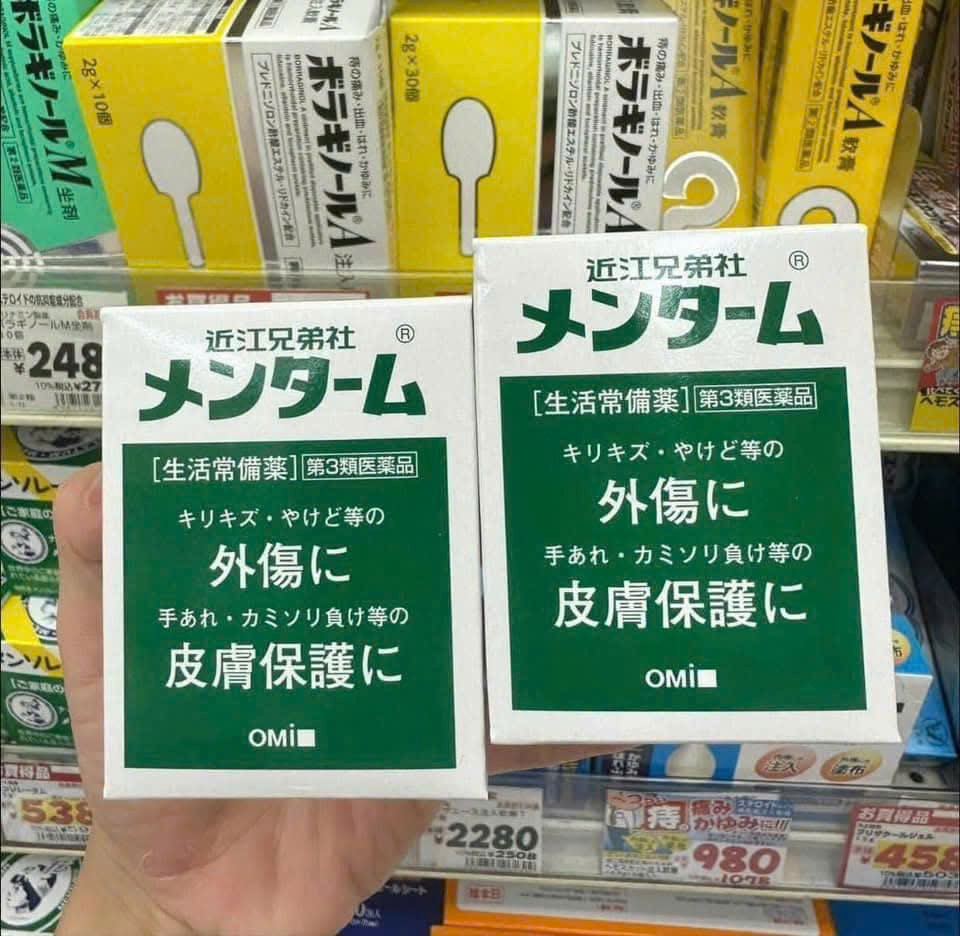
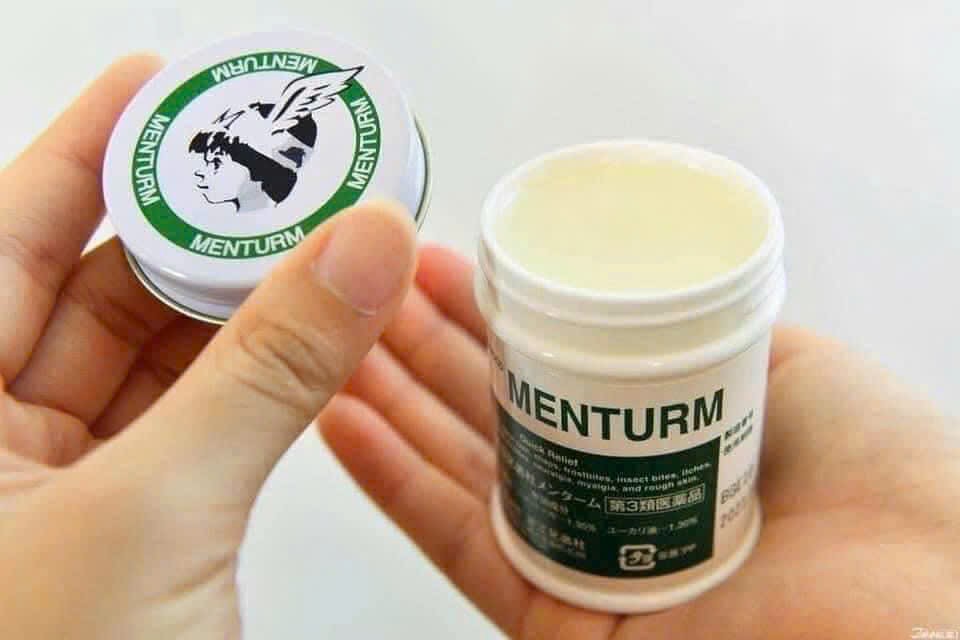
Price:
Balm oil, a familiar product in many households, originates from the East, specifically Southeast Asia. Initially, it was formulated from natural herbs based on traditional medicine recipes. Its primary purpose was for massage, pain relief, and soothing insect bites. The name "cù là" may have come from a local dialect or from a special ingredient in the original formula.
Where did Balm Oil come from?
Balm oil, a familiar product in many households, originates from the East, specifically Southeast Asia. Initially, it was formulated from natural herbs based on traditional medicine recipes. Its primary purpose was for massage, pain relief, and soothing insect bites. The name "cù là" may have come from a local dialect or from a special ingredient in the original formula.
Milestones in Its Development
19th Century: Balm oil became more widely known as Western traders exchanged goods with Southeast Asia. They carried formulas and production methods, helping improve and commercialize the product.
Early 20th Century: Balm oil became a household staple, especially in Asian countries. Many famous balm oil brands emerged during this period.
Today: Balm oil continues to be popular and is available worldwide. Manufacturers keep researching and developing new formulas, adding natural ingredients and improving production processes to meet increasing consumer demand.
Valuable Herbal Ingredients
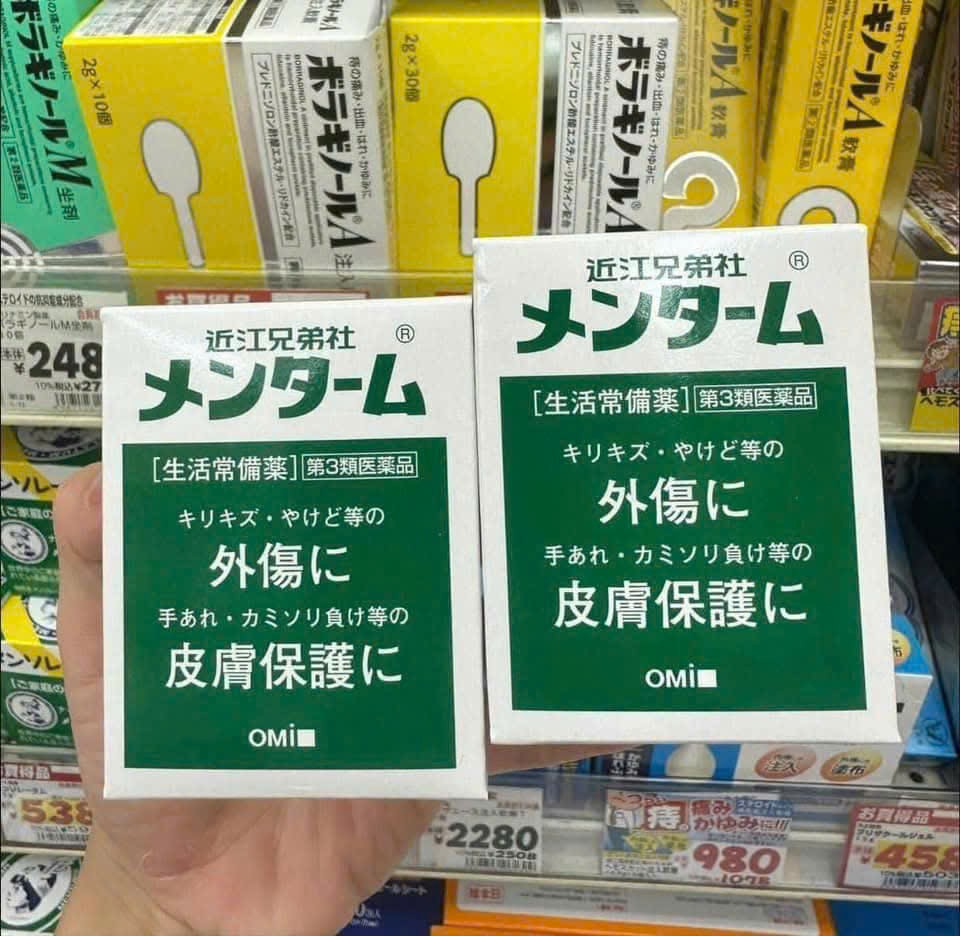
The formula usually contains a blend of essential oils and herbs, offering numerous health benefits. Common ingredients include:
Peppermint oil: Provides cooling, pain relief, and nasal decongestion.
Cajeput oil: Antibacterial, anti-inflammatory, and analgesic.
Camphor: Relieves muscle and joint pain.
Menthol: Creates a cooling sensation, reduces pain and itching.
Eucalyptus oil: Supports respiratory health, eases nasal congestion, and reduces pain.
Some variations may also include clove oil, cinnamon oil, or other herbal extracts depending on the manufacturer’s formula.
Therapeutic Benefits
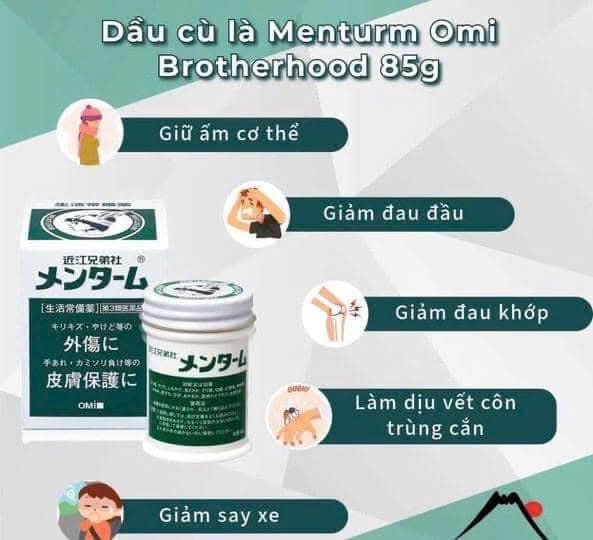
Balm oil is known for a wide range of uses, such as:
Relieving muscle and joint pain: Massage into the affected area to reduce inflammation, ease pain, and improve circulation.
Reducing headaches: Apply a small amount to the temples and massage gently.
Alleviating nasal congestion and cold symptoms: Inhaling the oil helps clear blocked nasal passages.
Soothing insect bites: Applying to bites helps relieve itching, swelling, and irritation.
Warming the body: Rubbing balm oil on the chest, back, or soles of the feet provides warmth, especially during colds.
By Ingredients and Uses
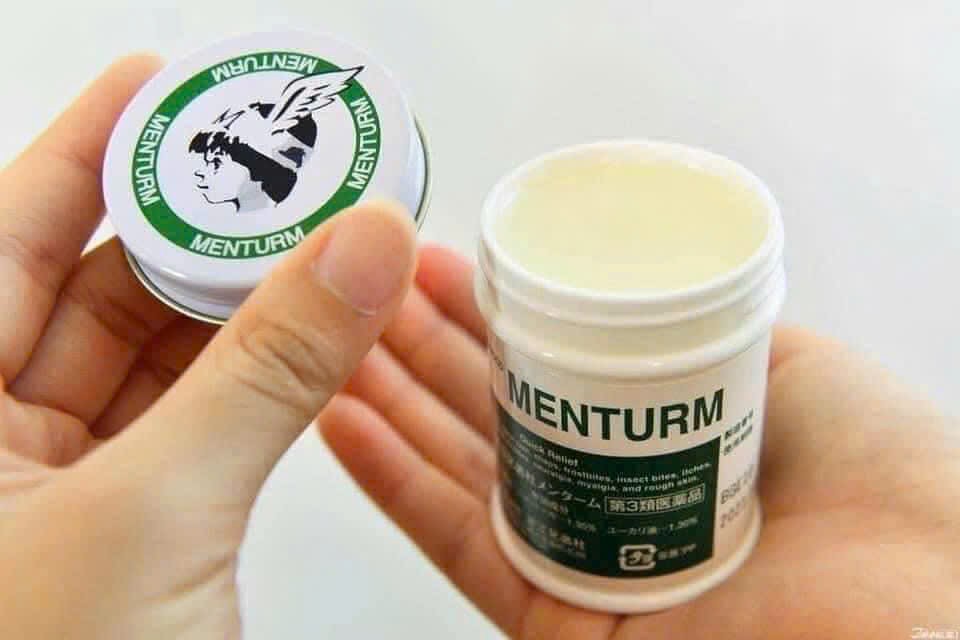
Traditional balm oil: Contains basic ingredients such as peppermint oil, cajeput oil, camphor, and menthol. Suitable for general muscle aches, joint pain, and colds.
Herbal balm oil: Enriched with extracts like ginger, turmeric, or cinnamon, enhancing its anti-inflammatory and pain-relief properties.
Children’s balm oil: A milder formula without irritating ingredients, designed for children suffering from insect bites, colds, or stomachaches.
Choosing the Right Balm Oil
When selecting balm oil, consider:
Ingredients: Check for potential allergens.
Purpose: Match the product’s benefits with your needs.
Age group: Use age-appropriate formulas, especially for children.
Brand: Choose reputable brands with clear origins.
Do not use on infants or children under 2 years old unless directed by a doctor.
Do not apply on open wounds, broken skin, or sensitive areas.
Avoid contact with eyes and mucous membranes.
Discontinue use if allergic reactions such as rash, itching, or swelling occur.
Correct Application for Best Results
Massage: Apply a small amount to your palm, rub gently, and massage the painful area for 5–10 minutes.
Inhalation: Open the jar and inhale deeply to ease nasal congestion and cold symptoms.
Topical use: Apply a thin layer on insect bites to reduce itching and swelling.
Frequency: Use 2–3 times daily or as advised by a doctor.
Storage Guidelines
Always close the lid tightly after use.
Store in a cool, dry place away from direct sunlight.
Avoid high heat or damp environments.
Keep out of reach of children.
Check the expiration date before use.